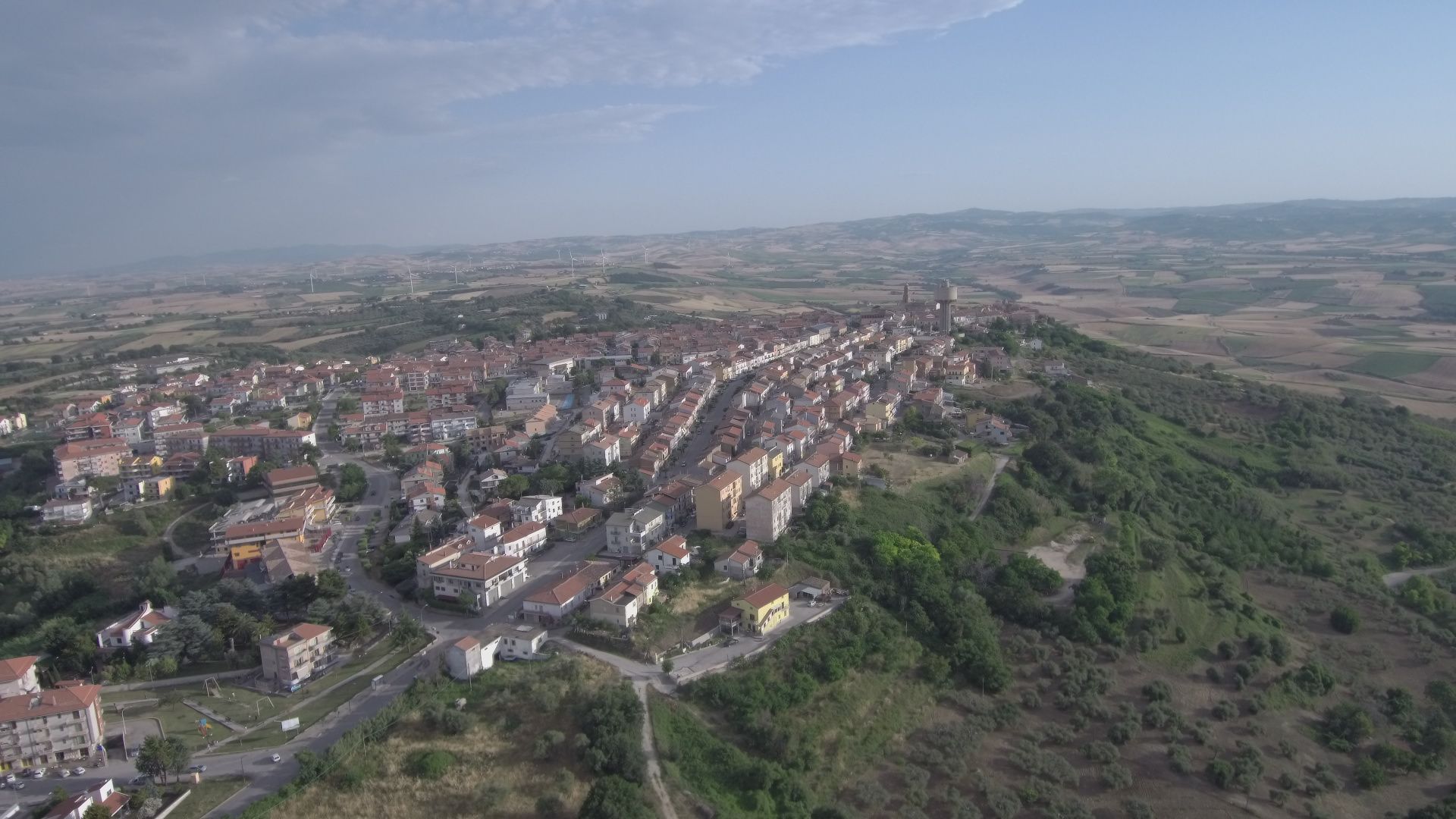
San Martino in Pensilis · Molise, Italy
San Martino in Pensilis
A village on the hills of Lower Molise, a few kilometres from the Adriatic, where ancient traditions like the Carrese still mark the passing of time.
The village
Between hills, olive groves and the sea
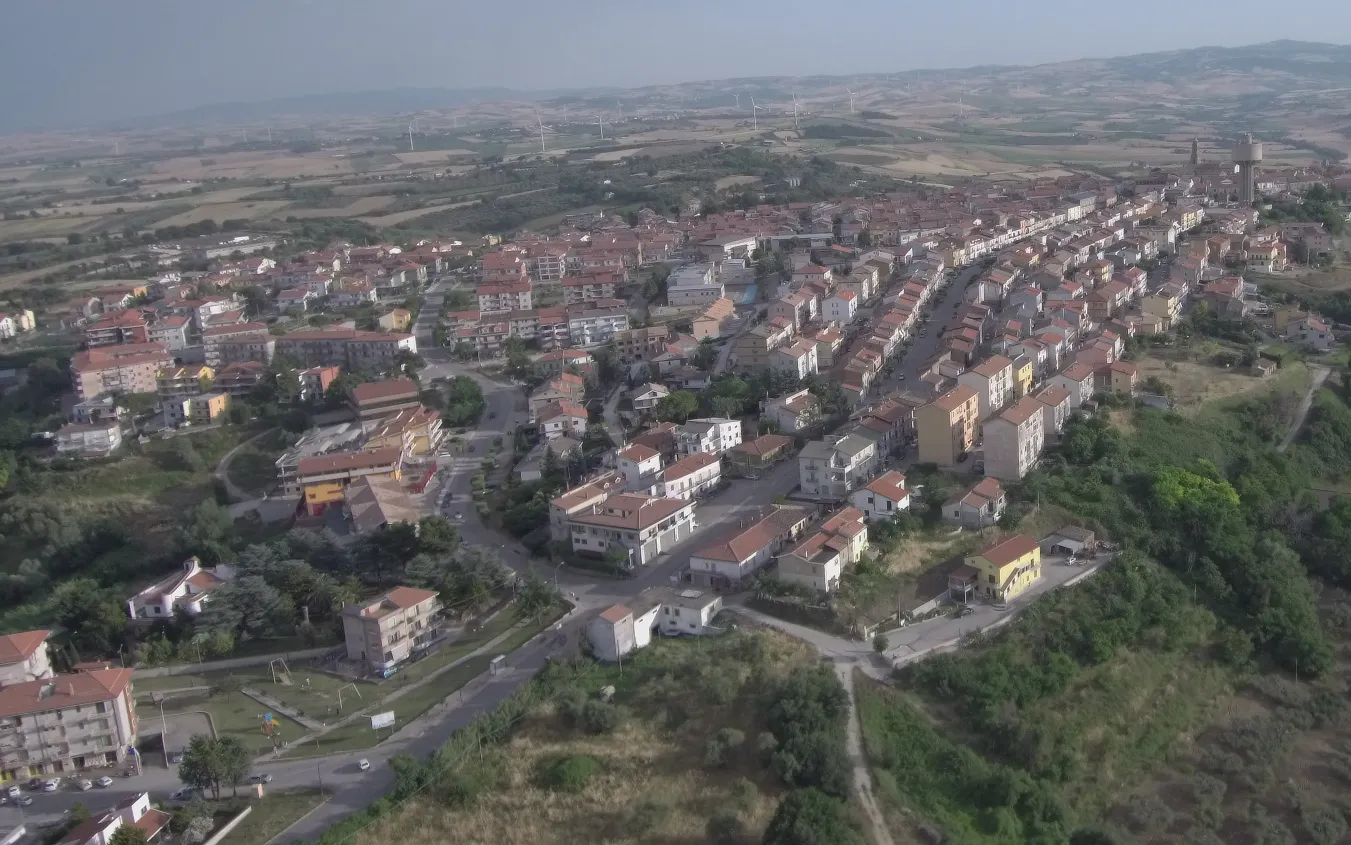
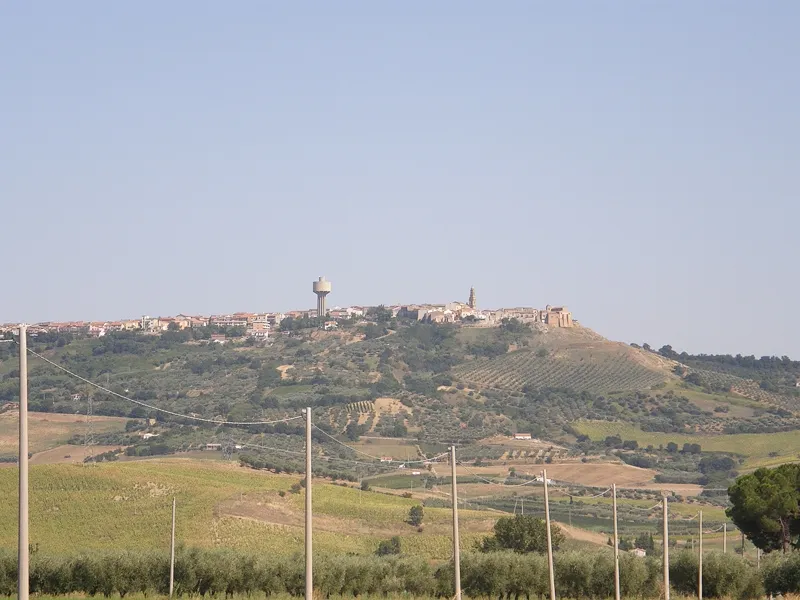
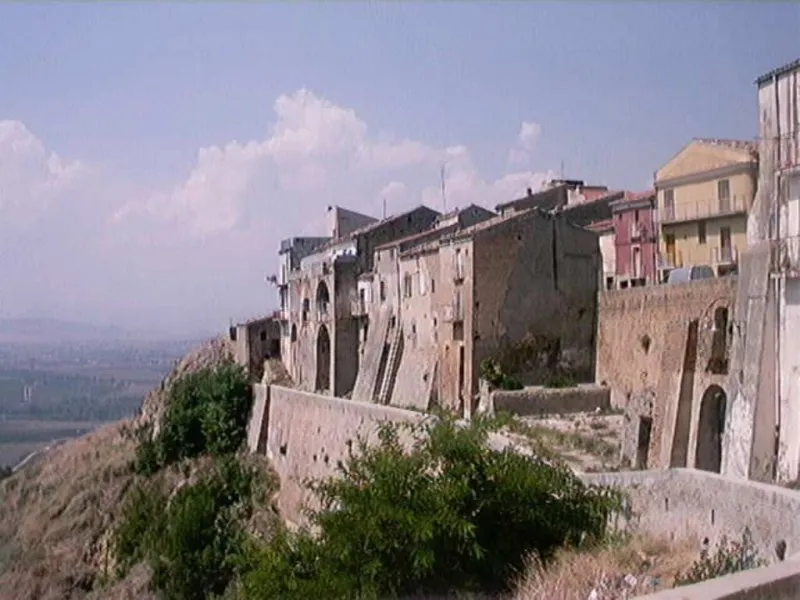
San Martino in Pensilis stands on a hilltop overlooking the Biferno valley, in the province of Campobasso. From its streets the view sweeps over hills of wheat, olives and vines, all the way to the blue line of the Adriatic Sea.
It is a welcoming village of squares, alleys and viewpoints, where life moves slowly and the community gathers around its feasts. The name recalls its position, almost hanging from the hill; the form "in Pensilis" was added in 1863 to tell it apart from the many other San Martinos in Italy.
- inhabitants
- 4,359inhabitants
- above sea level
- 281 mabove sea level
- from Termoli and the sea
- 18 kmfrom Termoli and the sea
History
A village with ancient roots
By the 12th century a fortified castrum stood on the hill, and the village grew around it. Over the centuries it passed between many feudal families, from the Angevins to the di Capua, Dukes of Termoli, who held it until feudalism was abolished in 1806.
The 18th century brought a revival: in 1728 the body of San Leo was moved into the church of San Pietro, which was decorated for the occasion. This devotion and a farming and herding culture, tied to the transhumance routes (tratturi), gave birth to the traditions that still define the village.
1113
Count Robert of Loritello gives the village to the Abbey of Montecassino
12th century
A fortified castrum is recorded on the hill; legend places the finding of San Leo's relics here
1495–1806
The fief belongs to the di Capua family, Dukes of Termoli
1728
The body of San Leo is moved to the church of San Pietro Apostolo
1811
The municipality passes from Capitanata to Molise
Today
A community that keeps its traditions alive, above all the Carrese
What to see
Strolling through the village
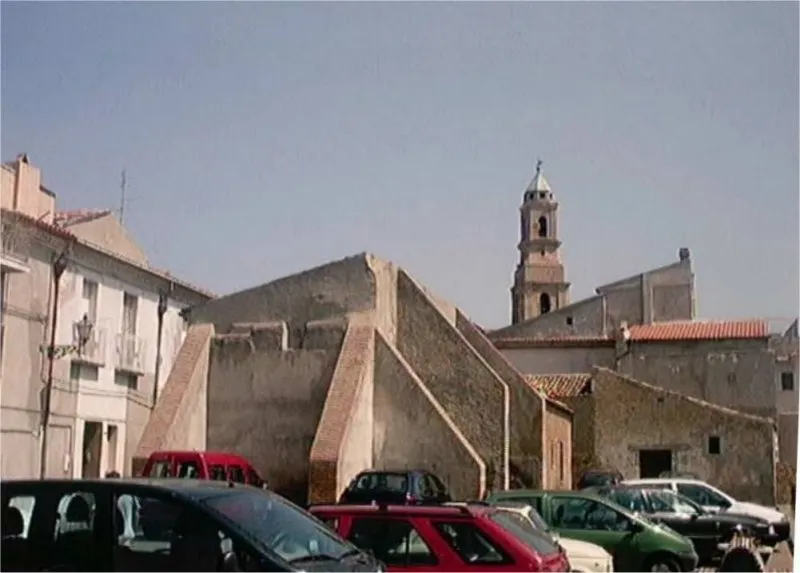
The old town
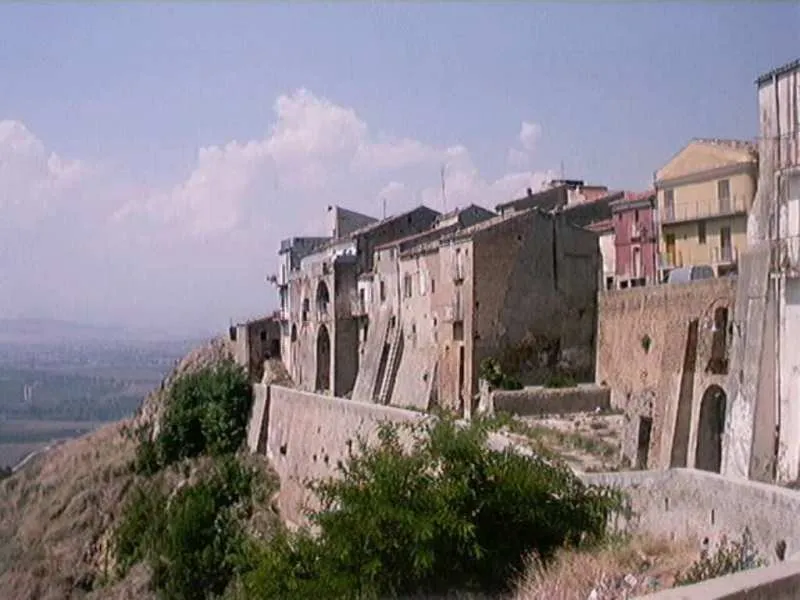
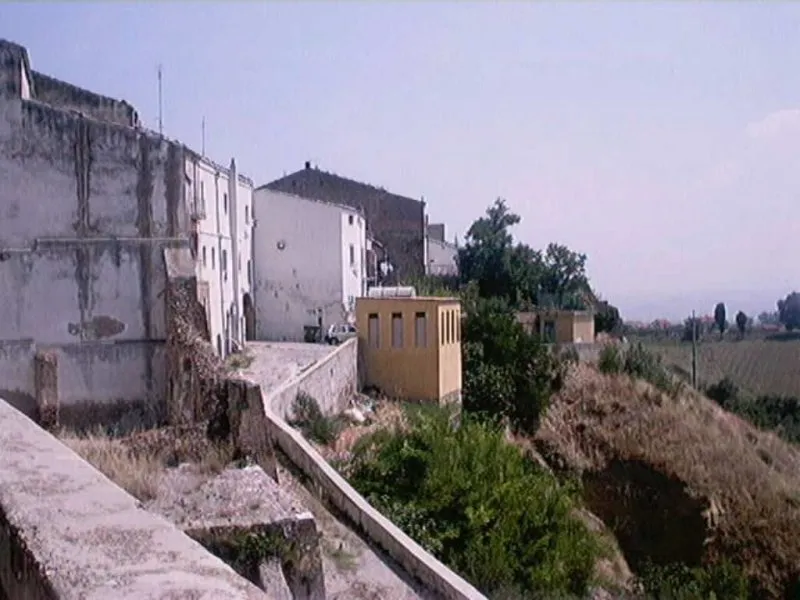
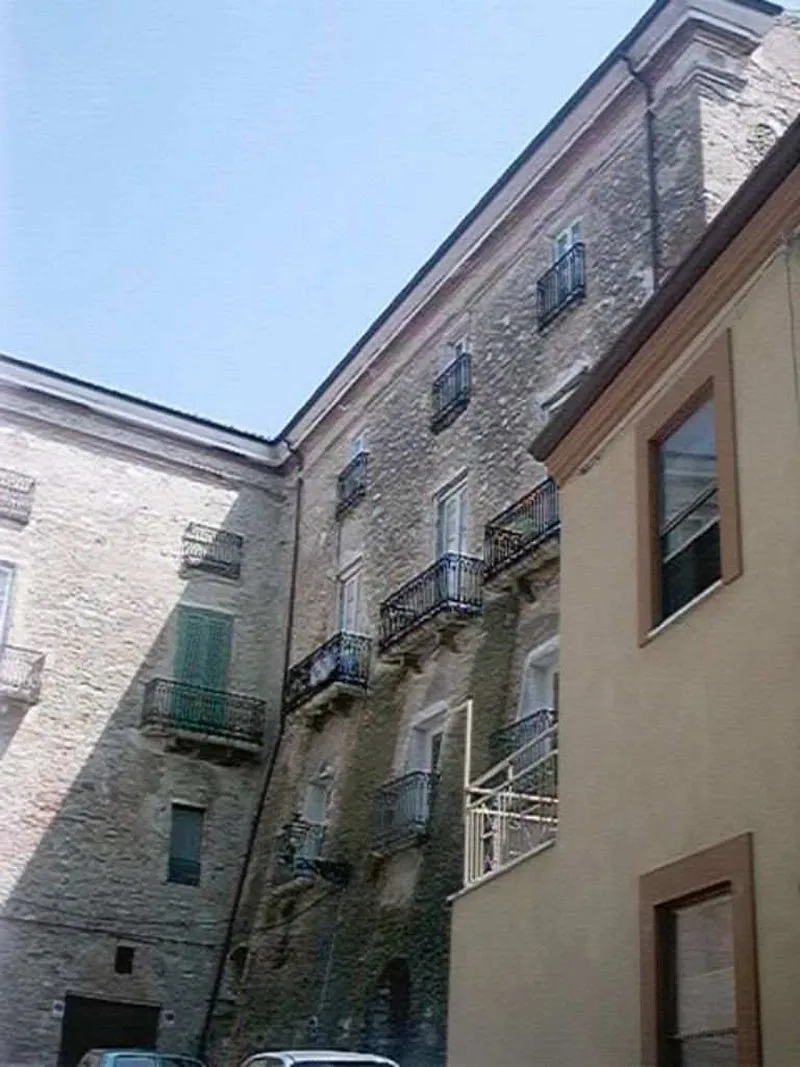
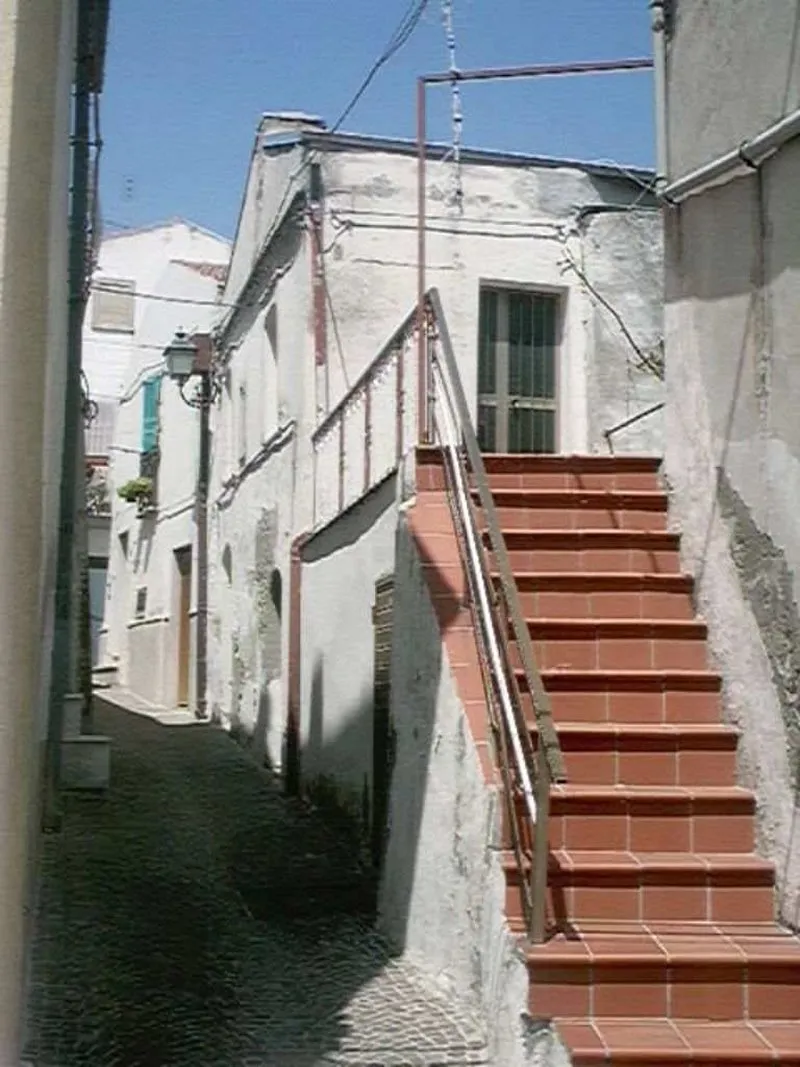
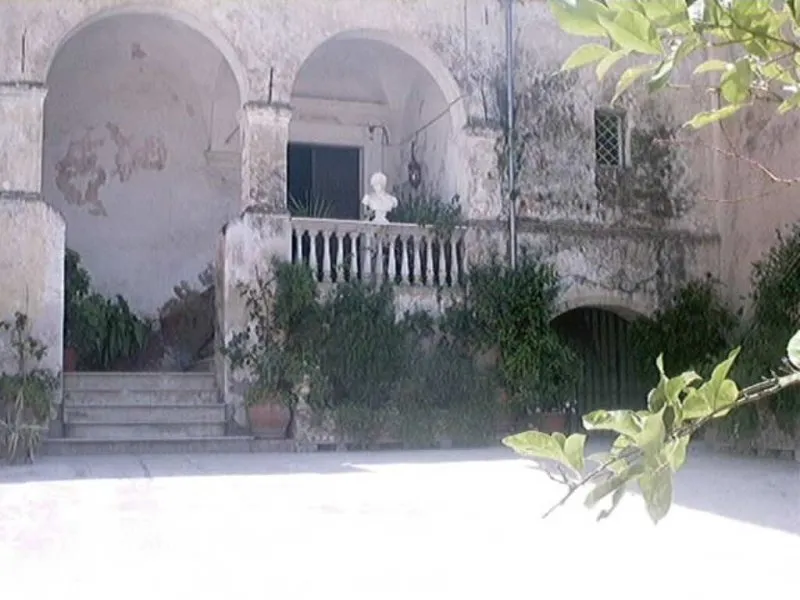
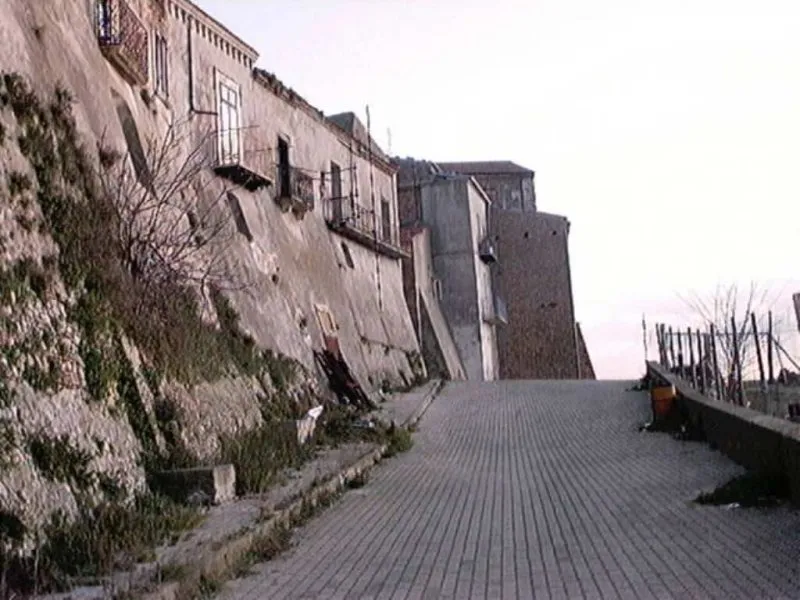
Alleys, arches and small squares where you can discover stone architecture and the rhythm of village life.
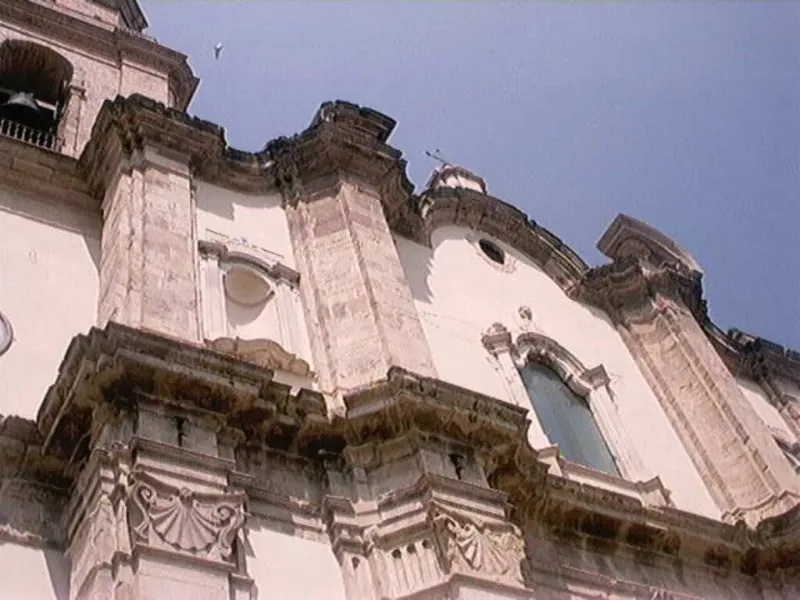
Church of San Pietro Apostolo
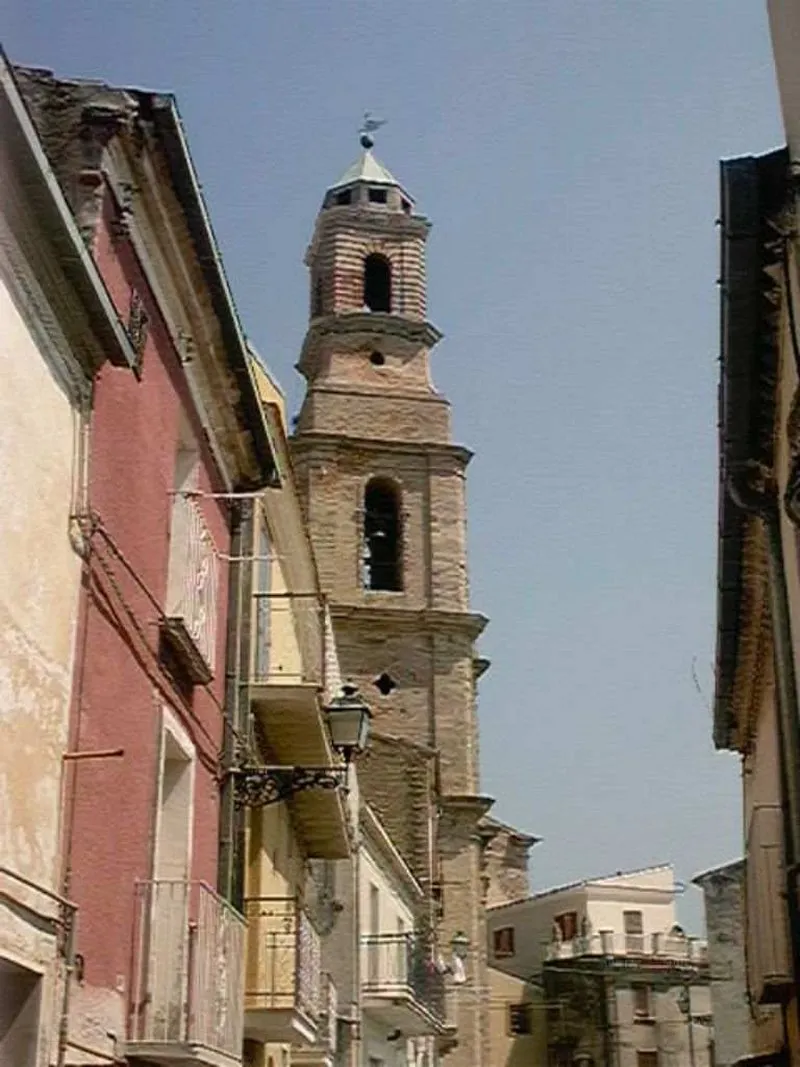
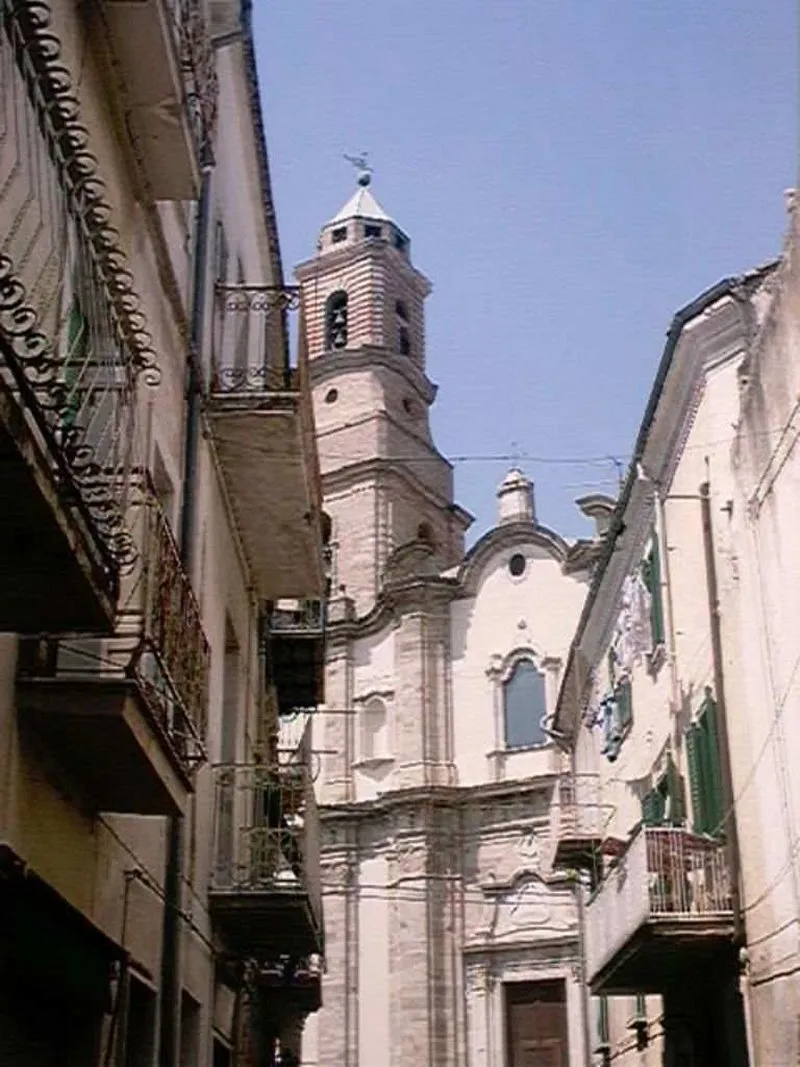
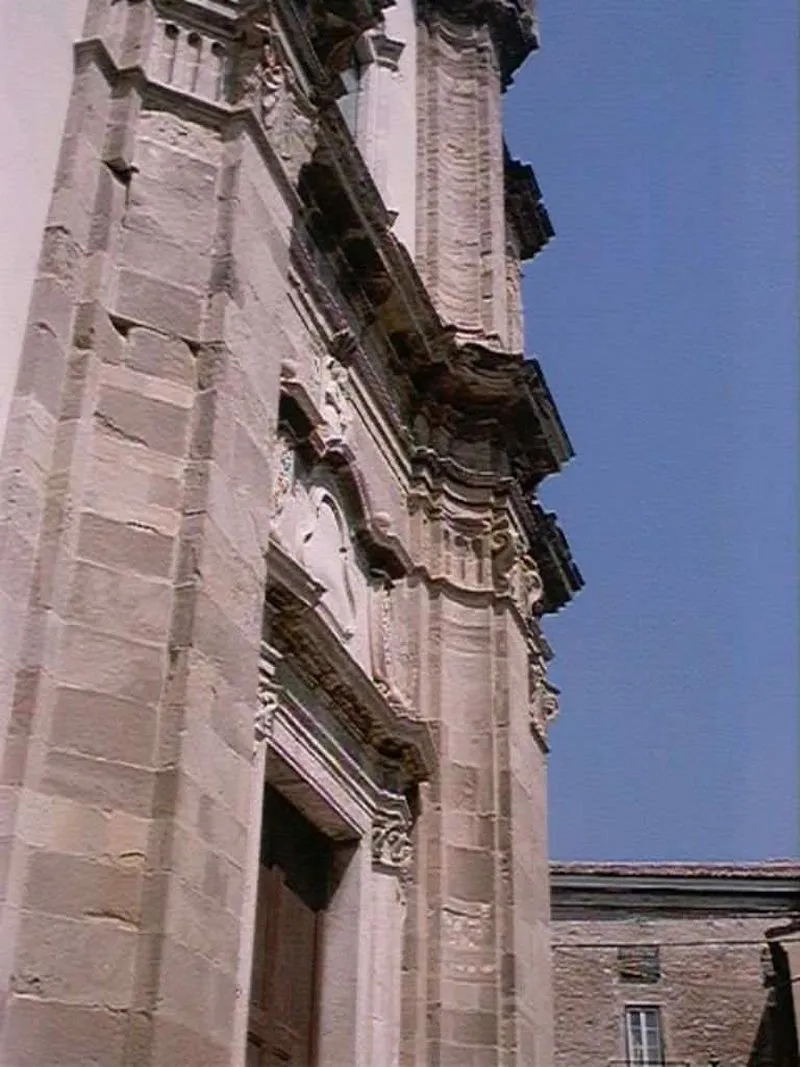
The late-Baroque mother church with its bell tower on the façade. The relics of San Leo rest beneath the high altar.
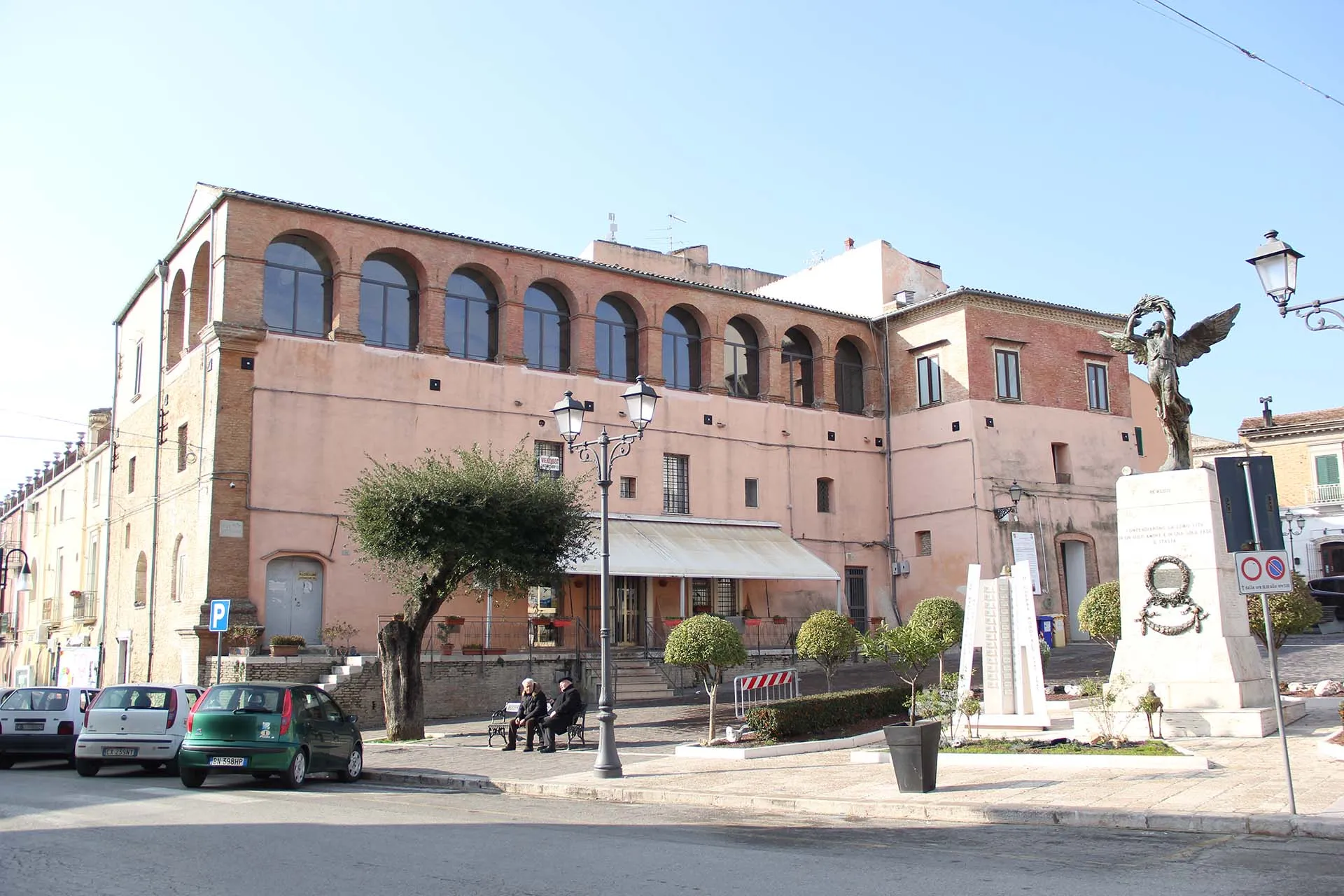
The Baronial Palace
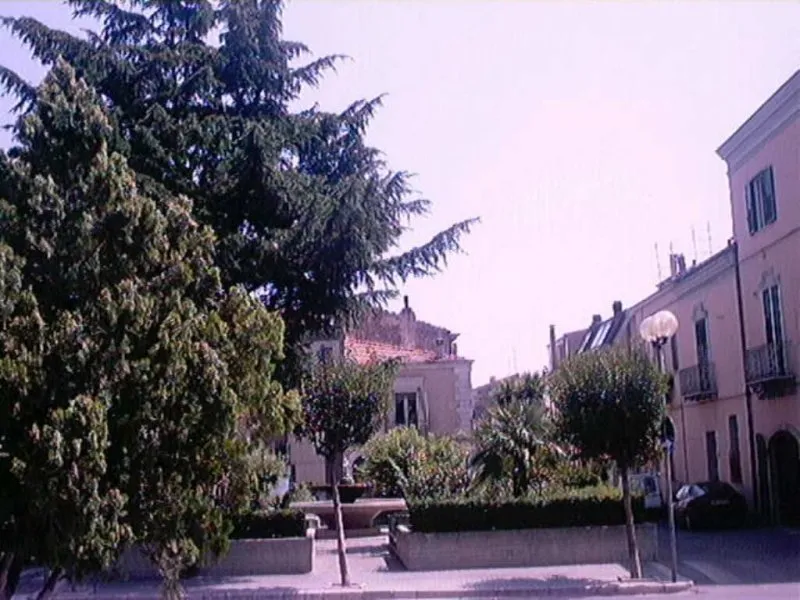
The "Count's palace", once a castle with a drawbridge and towers, overlooks Piazza della Vittoria.
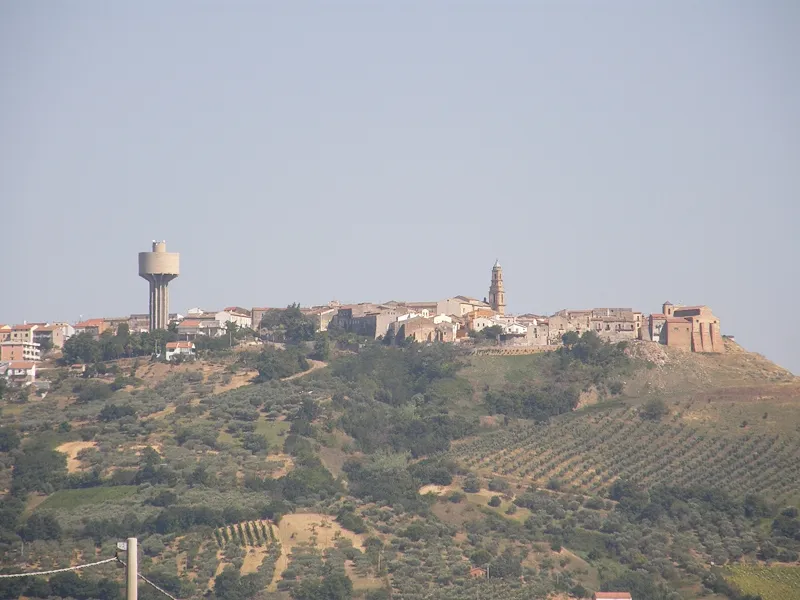
The viewpoints
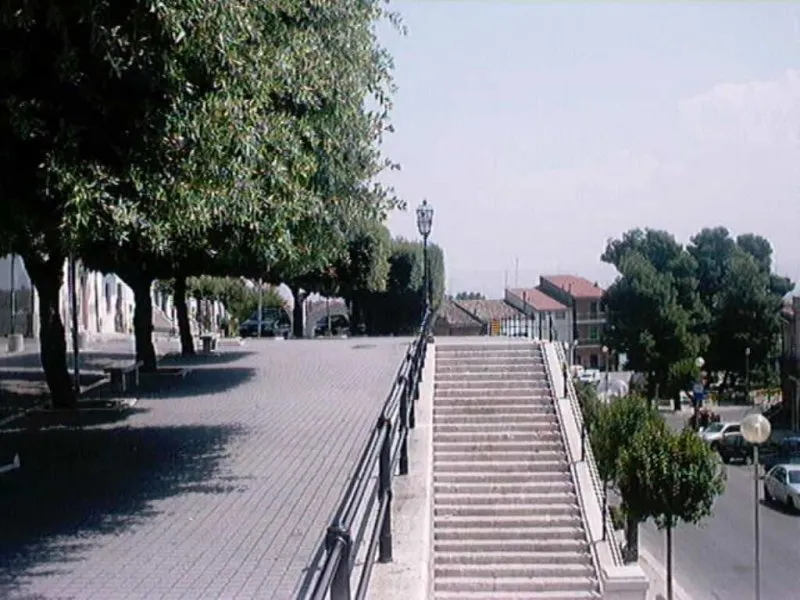
Views over the hills and the Biferno valley. Just outside the centre, don't miss the convent of Gesù e Maria (1490), with a Last Supper fresco attributed to the school of Leonardo.
Land and flavours
Countryside, tratturi and the table
Around the village lies generous countryside of olive groves, vineyards and wheat fields, crossed by the ancient transhumance routes.
This land produces extra-virgin olive oil, the wines of Molise and pampanella, San Martino's signature dish, celebrated every summer with a festival.
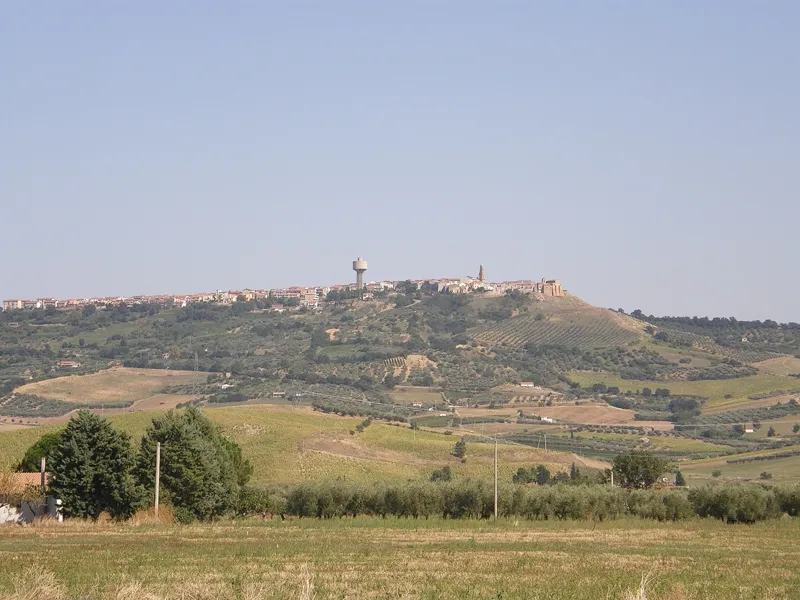
Gallery
Images of the village
Traditions
The feasts that tell the village's story
Three events that bring the community together every year and draw visitors from all over Molise.

30 April
The Carrese
The ox-cart race in honour of San Leo: just over 9 kilometres of tratturo, the heart of San Martino's traditions.

18–19 March
Feast of St Joseph
Altars set up in homes, thirteen dishes and bonfires: on 19 March the village opens its doors for St Joseph.

8 August
Pampanella Festival
San Martino in Pensilis' signature dish: chilli-spiced pork slow-baked in the oven, celebrated every summer in the square.
Getting here
How to reach San Martino in Pensilis
By car
A14 motorway, Termoli exit, then about 20 minutes inland (18 km). Campobasso is 66 km away, just over an hour.
By train
The station to use is Termoli, on the Adriatic line. The old San Martino in Pensilis station is no longer in service: continue from Termoli by bus or taxi.
By bus
Regional bus services connect the village with Termoli and Campobasso.
By plane
The most convenient airports are Pescara and Bari, connected to Termoli by train and motorway.
Where to eat and stay
Find where to eat and stay →